
Our Lives from DIY to DAI
Not long ago, our daily lives were shaped by the spirit of DIY—Do It Yourself. Whether it was fixing a gadget, researching for a school project, planning a trip, or learning a new skill, everything required time, effort, and often a fair amount of trial and error. People relied on books, personal experience, and human guidance to solve problems. While this approach built resilience and creativity, it also demanded patience and persistence.ost description.
Dr. Priyanka Nathawat
3/20/20262 min read

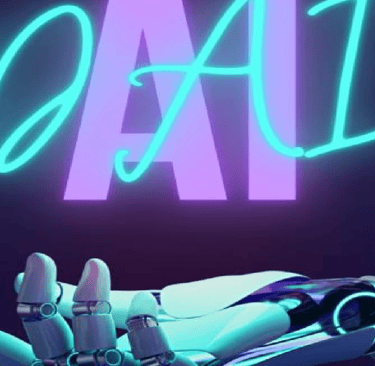
From DIY to DAI: Life Before and After Artificial Intelligence
Not long ago, our daily lives were shaped by the spirit of DIY—Do It Yourself. Whether it was fixing a gadget, researching for a school project, planning a trip, or learning a new skill, everything required time, effort, and often a fair amount of trial and error. People relied on books, personal experience, and human guidance to solve problems. While this approach built resilience and creativity, it also demanded patience and persistence.
Before the rise of Artificial Intelligence, knowledge was not instantly accessible. If you wanted to learn something, you might spend hours in libraries, flipping through pages or seeking expert advice. Even simple tasks like navigating a new city involved paper maps and guesswork. Communication, too, was slower—letters, landlines, and early emails defined how we stayed connected.
The DIY era was not without its charm. It encouraged hands-on learning and independent thinking. People developed problem-solving skills by doing things themselves rather than relying on automated solutions. There was a deeper sense of accomplishment in completing a task because it required genuine effort and understanding.
However, as technology evolved, we began transitioning into a new phase—DAI: Do It with Artificial Intelligence. This shift has fundamentally changed how we approach everyday tasks. Today, AI-powered tools assist us in ways that were unimaginable just a few decades ago. From voice assistants answering questions instantly to smart algorithms suggesting what to watch, buy, or read, AI has become a silent partner in our daily routines.
In the DAI era, efficiency and convenience take center stage. Tasks that once took hours can now be completed in minutes. Writing, designing, coding, and even decision-making are increasingly supported by AI systems. Navigation apps provide real-time directions, translation tools break language barriers, and personalized recommendations simplify choices.
But this transformation also brings a shift in mindset. Instead of doing everything ourselves, we now collaborate with intelligent systems. The role of humans is evolving—from manual problem-solvers to strategic thinkers who guide and refine AI outputs. While this enhances productivity, it also raises questions about dependency and the potential loss of traditional skills.
The journey from DIY to DAI is not about replacing human effort but redefining it. AI does not eliminate the need for creativity or critical thinking; rather, it amplifies our capabilities. The challenge lies in maintaining a balance—leveraging AI for efficiency while preserving the curiosity and independence that defined the DIY era.
In conclusion, our lives before AI were built on self-reliance and effort, while today’s world thrives on intelligent assistance and speed. The transition from DIY to DAI reflects not just technological progress, but a shift in how we learn, work, and live. As we move forward, embracing both approaches may be the key to a more balanced and empowered future.
Questions? Reach out anytime.
Contact
Connect
© 2025. All rights reserved.